
Featured
How to Handle Alert Fatigue
Reduce noisy alerts with cleanup, grouping, suppression, and Prometheus Alertmanager workflows.


Field notes from taking companies to the frontier of DevOps engineering: tutorials, postmortems, and the practices behind them.
79 articles
Reduce noisy alerts with cleanup, grouping, suppression, and Prometheus Alertmanager workflows.
Build an internal developer platform for your startup by standardizing common workflows with self-service templates, automation, and clear owners.
Manage Kubernetes secrets in a startup by replacing static values with Vault-issued, short-lived credentials that each pod fetches at runtime.
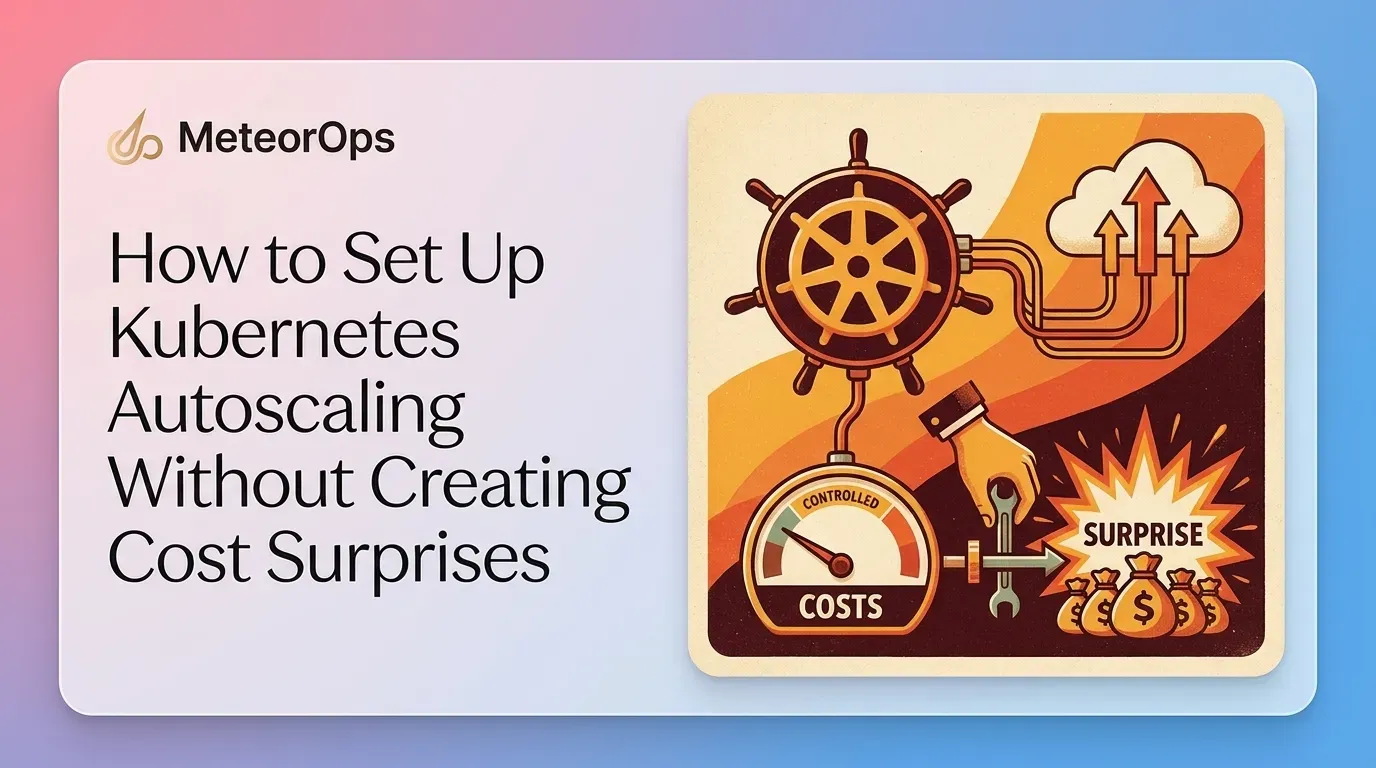
Learn how to set Kubernetes autoscaling guardrails that keep workloads responsive while preventing unexpected cloud cost spikes.

Coordinate Helm releases with Argo Rollouts to reduce Kubernetes deployment disruption.

Configure Kubernetes scheduling priority while preserving capacity for lower-priority workloads.

Expand Kubernetes storage safely while keeping critical workloads available.
Run temporary Kubernetes tasks cleanly using explicit job cleanup controls.

Use targeted questions to assess a DevOps partner’s reliability practices, cost controls, ownership model, and handoff plan before you commit.

Evaluate DevOps strategy, technical depth, operations, security, costs, communication, documentation, and business impact.

Structure external DevOps support with clear ownership, avoiding vague retainers and dependency.
Evaluate DevOps partners by problem fit, discovery rigor, ownership, and production experience.
Design startup-ready pipelines with scalable automation, deployment controls, and clear ownership.

Run DevOps audits with controlled access, business context, interviews, and executable roadmaps.

Match DevOps services to delivery, reliability, cost, security, and ownership gaps.
Map services, data, deployment workflows, and cutover risks before migrating.

Define DevOps consulting scope by outcomes, ownership, and handoff readiness.

Define DevOps consulting success around ownership, reliability, observability, and handoff readiness.

Organize Terraform modules, environments, state, and ownership for scalable infrastructure management.

Define DevOps outcomes, ownership, access, migration risks, and operational success measures.
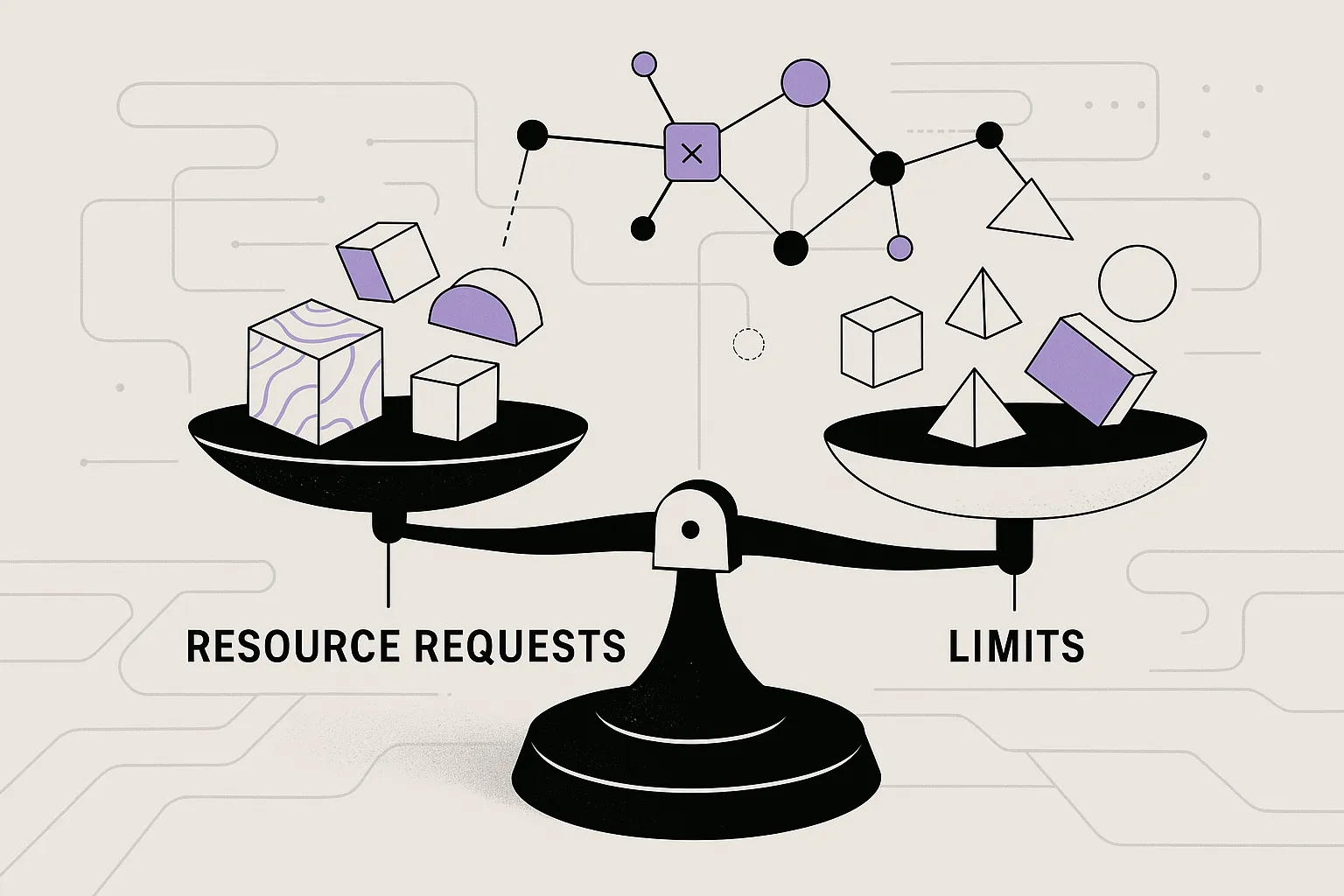
Balance Kubernetes resource requests and limits to reduce throttling and wasted capacity.

Protect critical workloads during Kubernetes node drains using disruption controls.

Scale AWS delivery with accountable consulting, IaC, rollback plans, and outcome metrics.
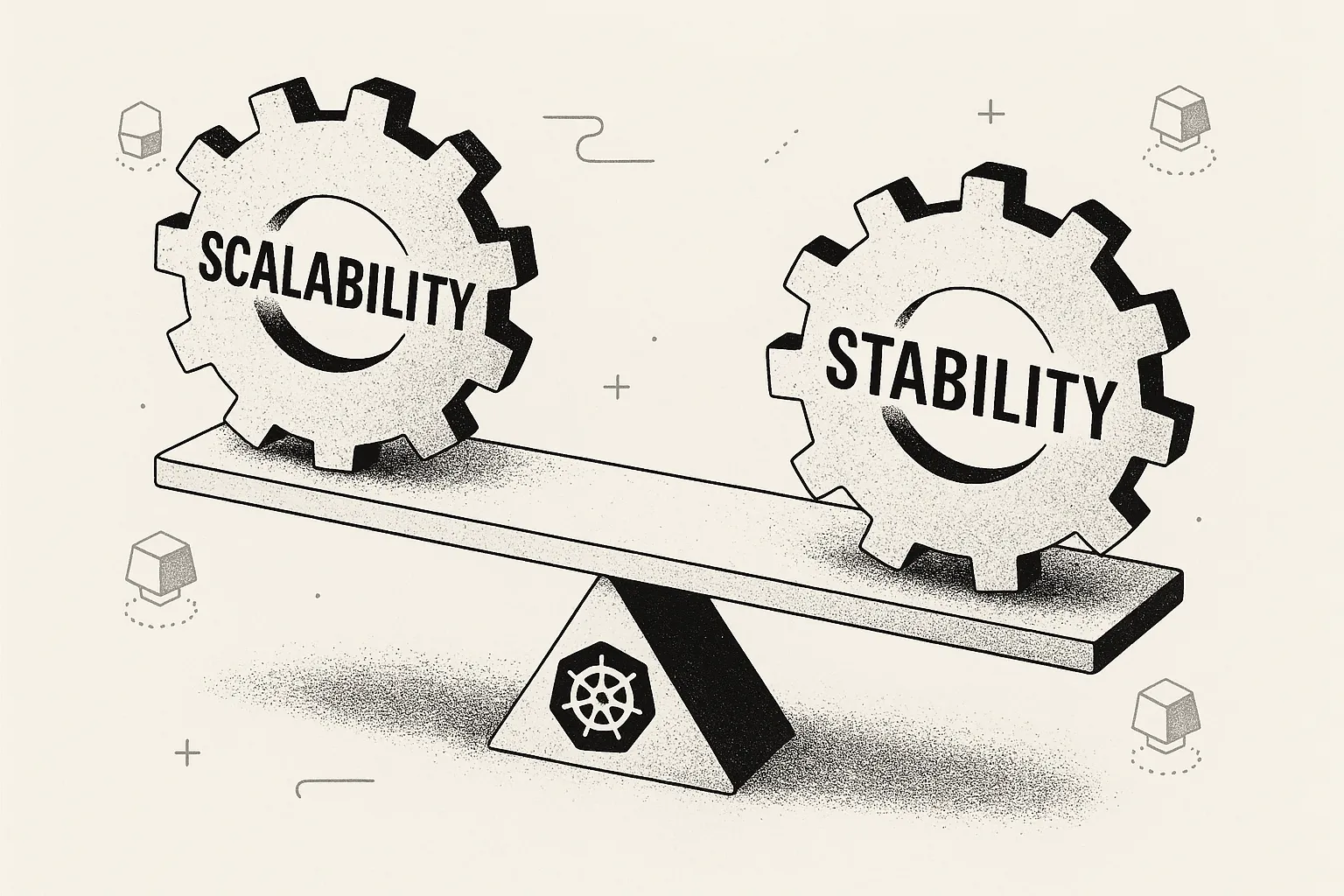
Tune HPA thresholds and stabilization windows to prevent unstable Kubernetes scaling.

Clarify outcomes, constraints, security needs, and ownership before evaluating DevOps proposals.

Use taints and tolerations safely to control scheduling without stranding workloads.

Tune liveness probe thresholds to prevent unnecessary Kubernetes pod restarts.

Align DevOps tools with startup maturity, operational capacity, and release risk.

Evaluate DevOps providers by shipped infrastructure changes, clearer runbooks, and reduced risk.

Assess DevOps staff augmentation fit through scope, ownership, outcomes, and delivery risk.
Lean DevOps consulting addresses delivery bottlenecks without overbuilding platform operations.
Define DevOps priorities, constraints, access needs, and outcomes before requesting estimates.
Assess managed clusters, operations ownership, observability, database placement, and hidden costs.

Define DevOps ownership, access boundaries, handoffs, and success metrics before kickoff.

Reduce cloud spend with ownership, usage visibility, and delivery-safe governance.

Set scope, access, ownership, and success measures before DevOps consulting starts.

Diagnose scaling bottlenecks before selecting DevOps tools, platforms, or staffing.
Match DevOps help to clear delivery bottlenecks before buying broad packages.
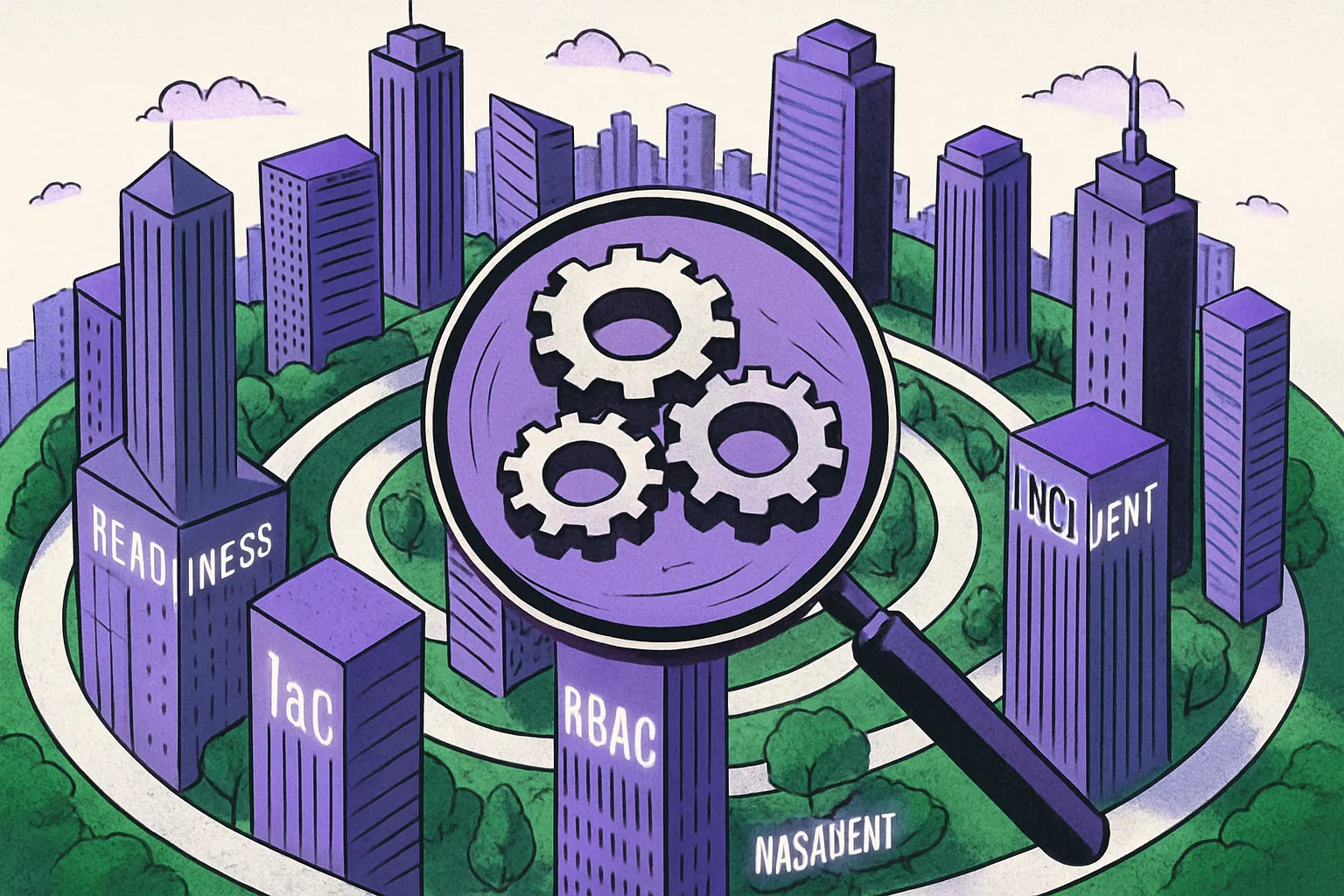
Assess managed Kubernetes readiness, IaC, RBAC, limits, upgrades, and incident ownership.
Set outcomes, access, ownership, and knowledge transfer before consultants begin.

Prioritize DevOps work by delivery risk, ownership, observability, and measurable outcomes.

Define rotations, escalation paths, alert rules, and ownership before scaling reliability teams.

Choose essential DevOps tools with clear ownership, strong observability, and repeatable CI/CD.

Assess Azure DevOps fit, setup effort, access needs, and adoption scope.
Assess workloads, dependencies, security needs, and rollout risks before migrating to Kubernetes.

Select logging, metrics, tracing, and alerting tools that support startup scaling.
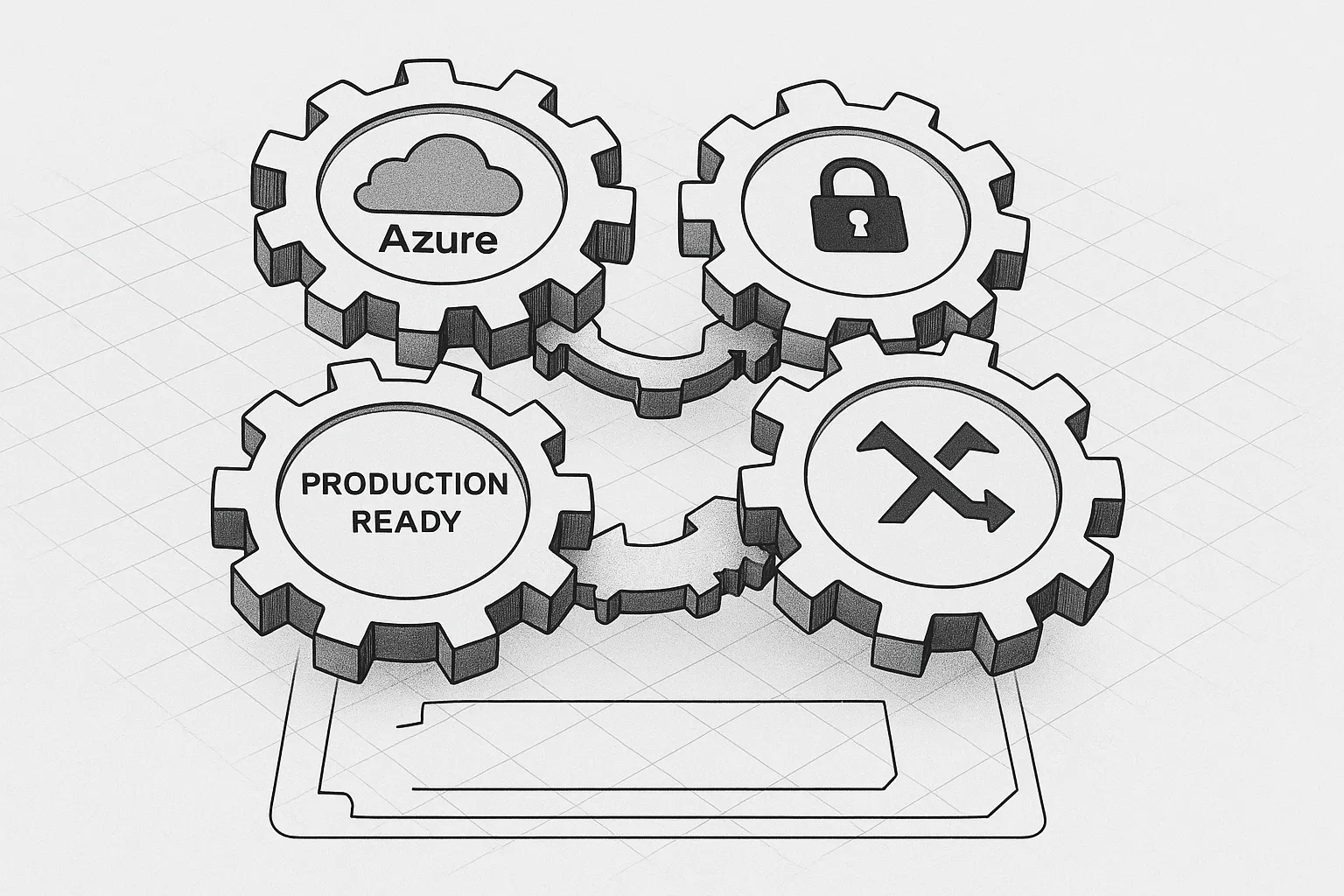
Build CI/CD pipelines with tested merges, protected secrets, controlled releases, and documented rollback.
Plan Azure subscriptions, permissions, resource groups, and budgets before your startup infrastructure scales.

Evaluate operational readiness, networking, IaC, observability, and fit before adopting Azure.

Define subscriptions, IAM, environments, IaC, and cost controls before scaling Azure.

Shape startup DevOps around IaC, CI/CD, observability, ownership, and incident response.

Organize repo wikis around ownership, runbooks, architecture, and required maintenance.

Review Azure DevOps projects, permissions, pipelines, credentials, deployments, and rollback paths.
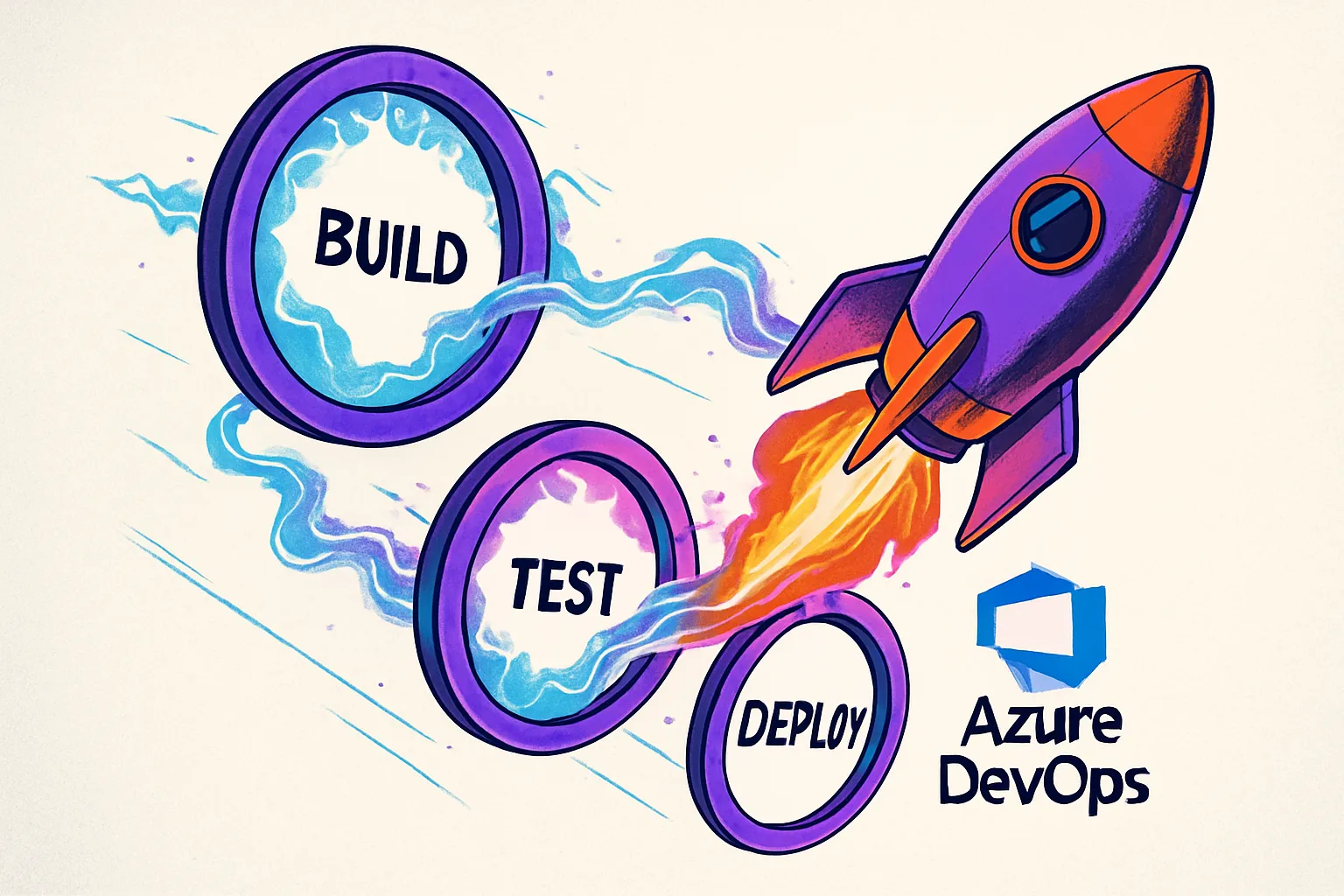
Create safer Azure DevOps releases with staging, scoped permissions, ownership, and rollback.

Define workflows, ownership, maintenance, observability, and developer experience before choosing tools.

Define infrastructure problems, ownership, handoff, and success measures before hiring DevOps help.
Define DevOps deliverables, ownership, knowledge transfer, and success measures before hiring.
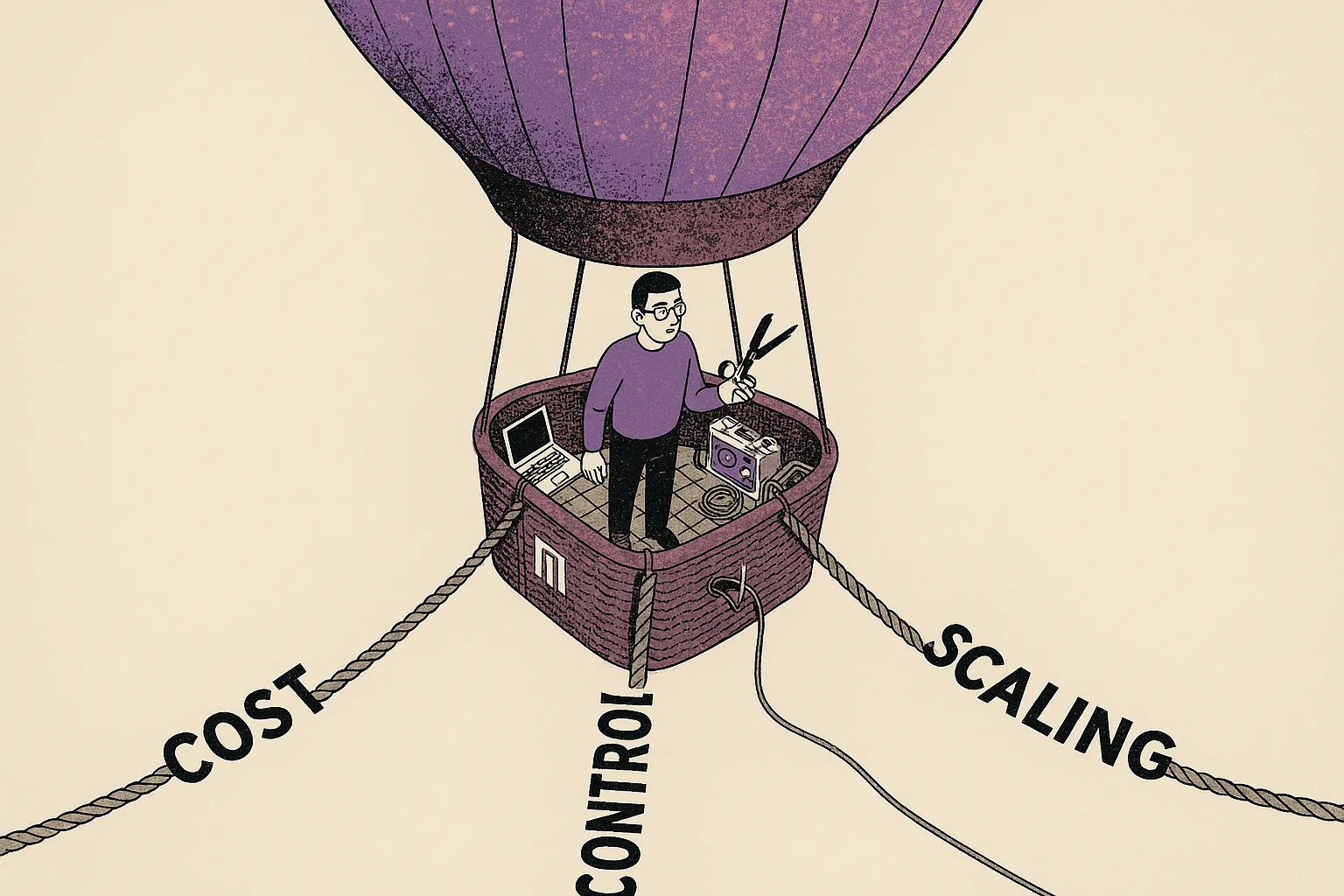
Assess PaaS exit timing through cost, control, reliability, and scaling signals.
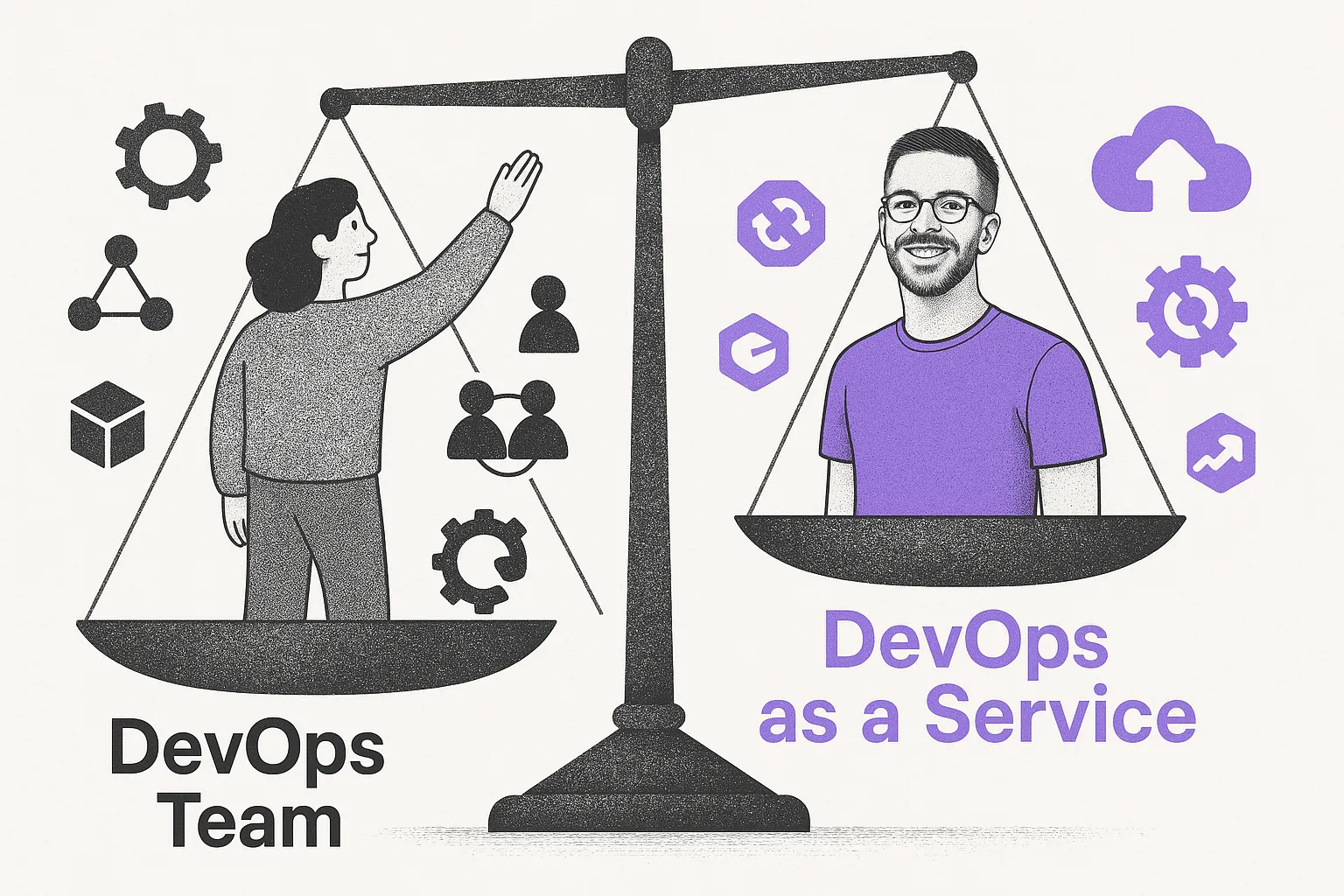
Evaluate DevOps operating models by ownership, reliability, cost, and delivery readiness.
Configure Azure DevOps pipelines with lean approvals, access controls, and rollbacks.
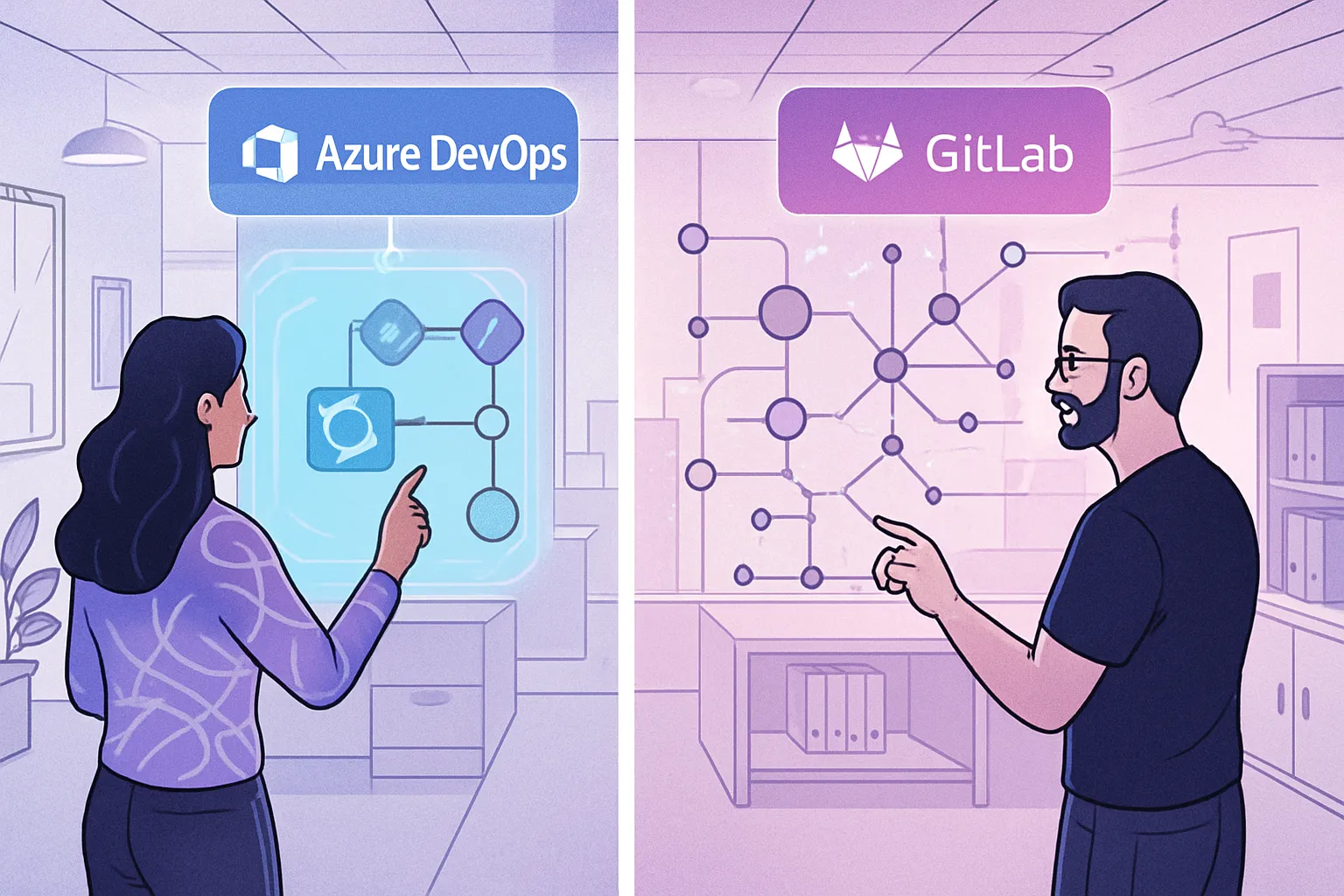
Assess CI/CD maintenance, permissions, deployment fit, and startup team capacity.
Evaluate DevOps tooling against workflows, maturity, integration needs, and team constraints.
Use GitOps principles to standardize Kubernetes delivery and deployment workflows.
Shift DevOps from gatekeeping to developer-focused internal service delivery.
Apply database design principles that support scaling and prevent operational failures.
Plan version upgrades, validate workloads, and reduce Kubernetes change risk.
Manage Kubernetes manifests declaratively through consistent Terraform-based infrastructure workflows.
Provision AWS resources for Kubernetes applications with Crossplane manifests.
Manage AWS infrastructure declaratively from Kubernetes with Crossplane.
Run scalable Airflow data pipelines on EKS with secure deployment practices.
Standardize GCP infrastructure provisioning with a practical Terragrunt boilerplate.
Choose the DevOps partner model that matches your delivery needs.
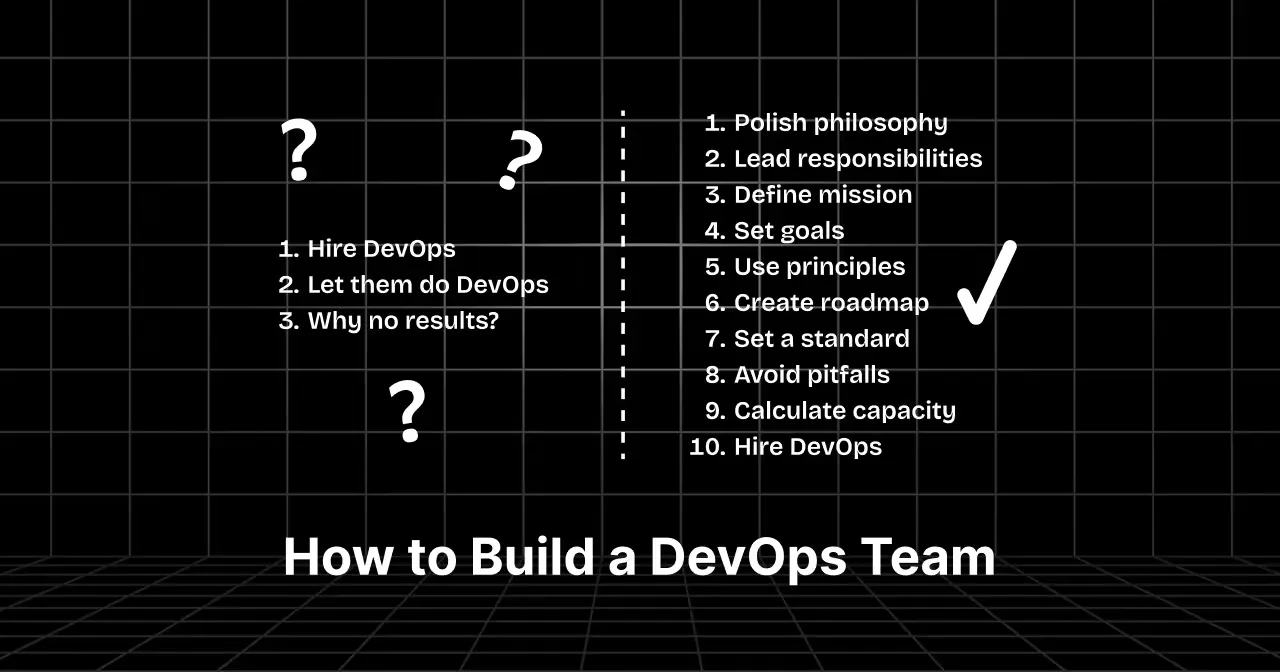
A focused playbook for engineering leaders starting DevOps without hiring delays.
Simple DevOps principles and examples for CTOs guiding software delivery.
Automated environment provisioning accelerates delivery, quality, and recovery.
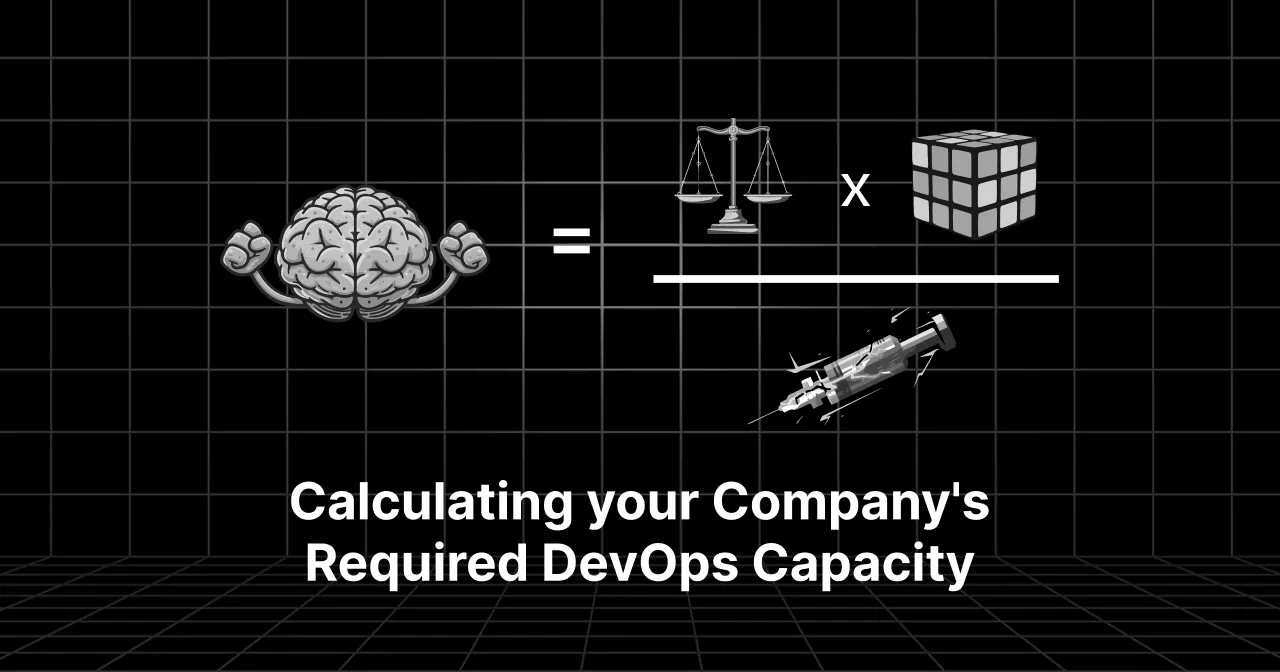
Estimate DevOps staffing needs from delivery scale, system complexity, and automation leverage.

Improve DevOps compensation by focusing on measurable business value.
Clarify DevOps responsibilities before defining hiring criteria and team fit.
