
The slow hire
Months of sourcing and interviews while the production problem keeps compounding.
MeteorOps gives engineering leaders direct access to a named senior practitioner, backed by architecture review and specialists when the work crosses domains.
IndustriesMedicalCybersecurityGamingSpaceRoboticsFintechBiotechand more
Some of the 120+ teams we've worked with





%2520(2).avif&w=3840&q=75)

.avif&w=3840&q=75)




In 2020, remote work handed Michael Zion two spare hours a day, and a roommate talked him into setting a goal for the year. It went on the fridge: a monthly income more than double what he was making at the time. A week later a friend came over to play guitar and left behind the first freelance DevOps project.
Evenings became a second shift across other companies' production systems. When the work outgrew one person, Michael quit his job, hired the first engineer, and told the world MeteorOps existed. Then came the harder question: what happens to clients when the whole company is one person's calendar?
The answer was Arthur Azrieli, a former startup colleague whose work rate had earned him the nickname The Machine. They gave the partnership a six-month trial: find exceptional engineers, put them on the problems that matter most, and make every client glad they came. Six months became the company you're reading about.
The funny thing about goals: once you set them, the path starts to reveal itself.
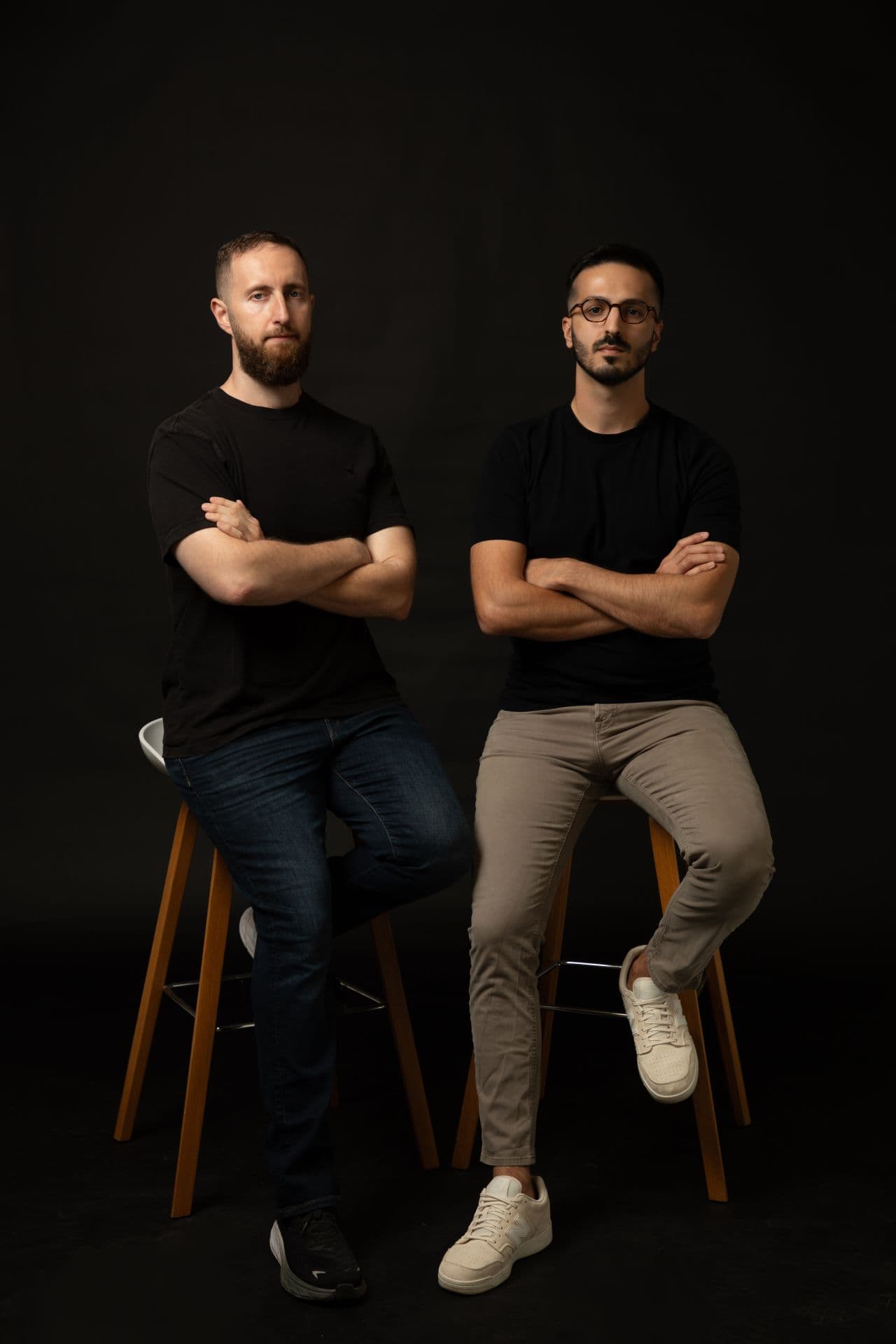
The people behind the engagements: engineers, architects, and operators working onsite and remotely, wherever your production lives.











.avif&w=3840&q=75)












Important engineering work often sits between a slow hiring process, a lone freelancer, and a consultancy hierarchy. MeteorOps was built to create a more direct option: one accountable senior engineer working where the team already works.
That engineer is not left alone. A lead architect reviews direction, specialists can join when the problem demands it, and visible hour logs and written context keep the client in control.
Months of sourcing and interviews while the production problem keeps compounding.
One person's ceiling, no review behind them, and knowledge that leaves when they do.
Account layers between you and whoever actually writes the code.
A named senior engineer inside your team, an architect reviewing direction, specialists on call. Hourly, visible, accountable.
No status theater and no mystery invoices. You see the hours as they're logged, the decisions as they're written, and the people as they join.
Illustrative week. The cadence is real: logged hours, written context, named people.
Production systems keep changing. We expect engineers to keep testing assumptions, learning, and improving the way they work.
Name the risk, explain the tradeoff, and stay accountable through implementation and handover.
Focus effort on the constraint that changes delivery, reliability, cost, or product progress for the client.
What Our Clients Say
“Nguyen is a champ. He's fast and has great communication. Well done!”

“Thanks to MeteorOps, infrastructure changes have been completed without any errors. They provide excellent ideas, manage tasks efficiently, and deliver on time. They communicate through virtual meetings, email, and a messaging app. Overall, their experience in Kubernetes and AWS is impressive.”

“I was impressed with the amount of professionalism, communication, and speed of delivery.”

“Good consultants execute on task and deliver as planned. Better consultants overdeliver on their tasks. Great consultants become full technology partners and provide expertise beyond their scope. I am happy to call MeteorOps my technology partners as they overdelivered, provide high-level expertise and I recommend their services as a very happy customer.”

Success stories and proven results
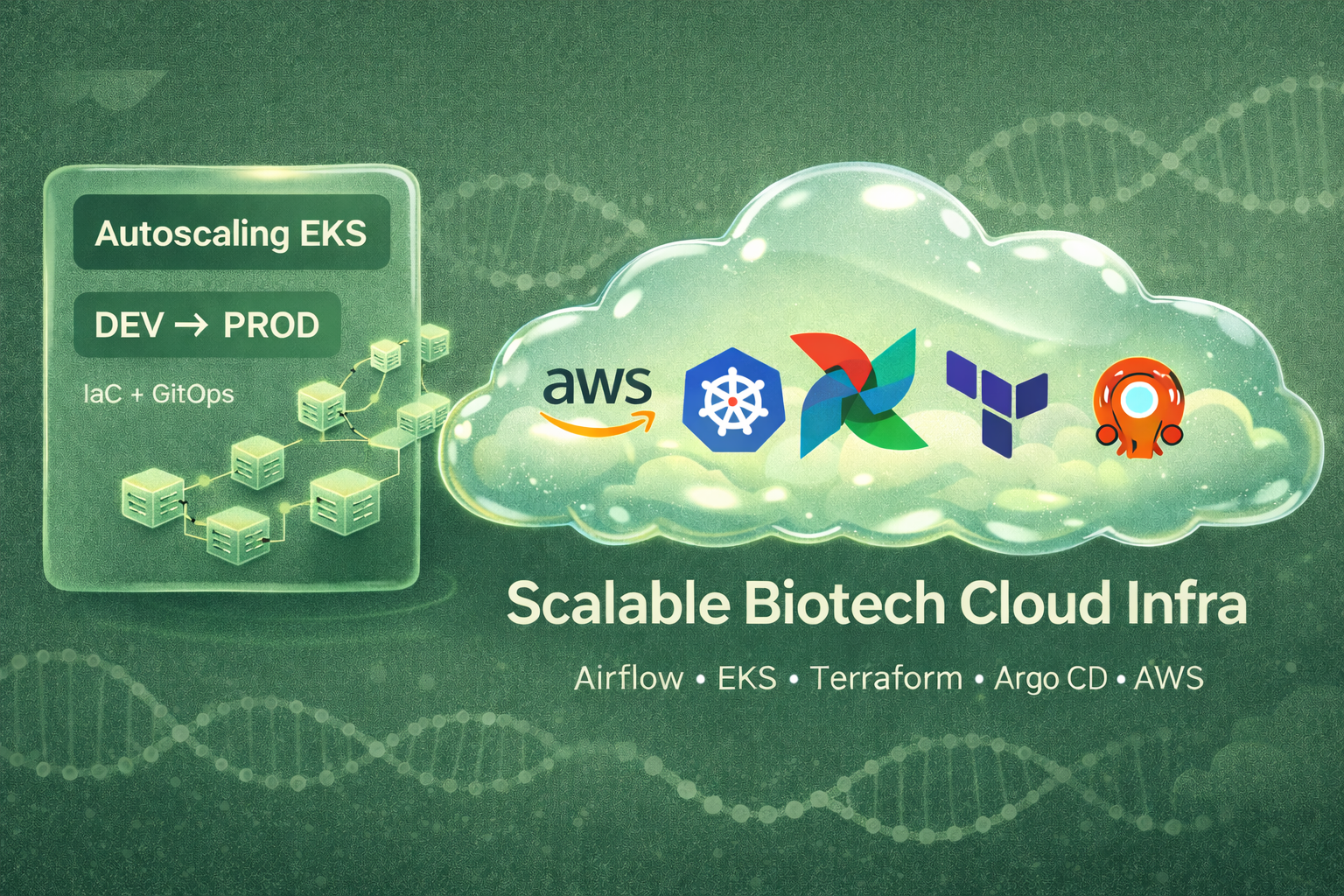
Turned a custom, untracked data-pipeline setup into a fully IaC, GitOps-driven Airflow-on-Kubernetes platform on AWS.
 Read study